
I do a lot of talking about my novel, The Society of Experience, however that’s not the only work of fiction I’ve had published. Found Press, who has published my stories in their unique digital singlet format, is experimenting with the idea of creating limited print editions of select authors’ stories. I’m happy to say that one of those chosen is Snowshoe, my spooky piece about a father trying to get his son to sleep only to realize the boy is haunted by something more ominous than the wind outside.
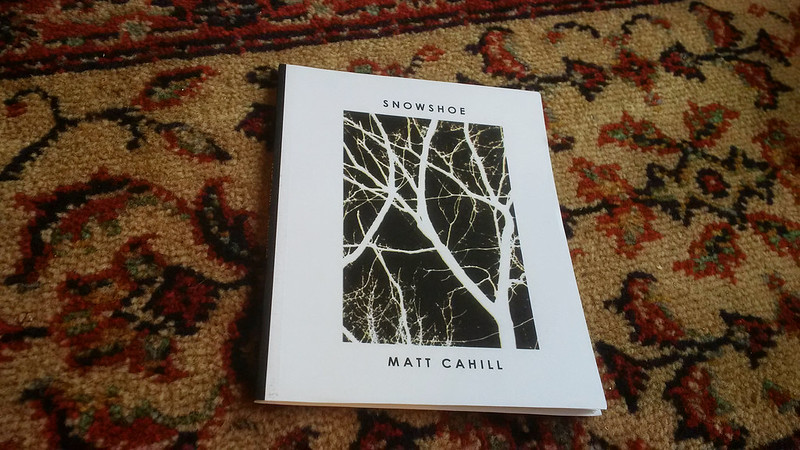
This is well-timed since I read from Snowshoe on October 25th for the International Festival of Authors and it got a great reception. I have in my possession 15 copies – that is the extent of the initial print run since they are handbound. I am selling them for $15 each (optionally signed, if you wish). Or, if you haven’t yet read The Society of Experience (longlisted for the Sunburst Award, fave of Harper’s Bazaar magazine, as well as Emily Saso’s favourite book of 2015) I will sell a bundle of Snowshoe and The Society of Experience (regular $37 if bought individually) for $32 (and yes, optionally signed, if you wish). Crazy cheap bargain Cahill stop it.
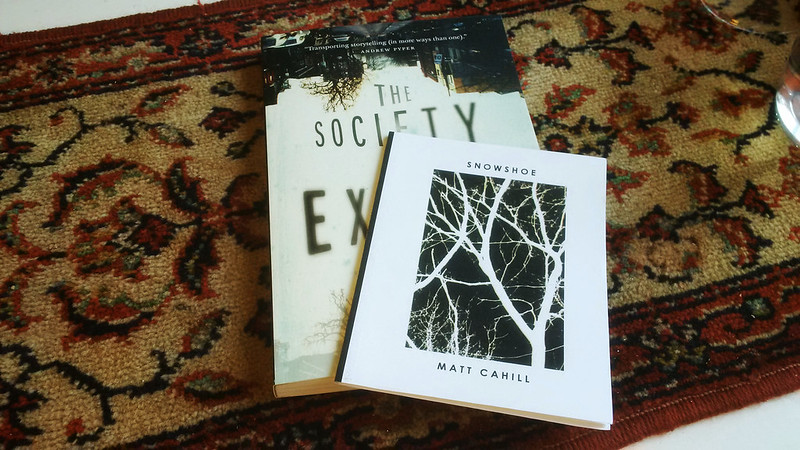
Obviously, I only have 15 copies of Snowshoe, and while there will most likely be more in production (I can tell you there is a lot of interest from independent bookstores here in Toronto in this and other FP titles) because they are hand-made they don’t exactly slide off a conveyor by the hundreds. In other words, there’s no guarantee when more will be available.
If you are interested, get in touch: matt [at] mattcahill [dot] ca. Note: postage is extra (but reasonable)

 Because it’s a Halloween-themed event, I’m going to be reading an excerpt from my short story,
 So when someone asks me What do you think about x? I sometimes find myself considering a number of things and contexts to understand the question. The drawback is we’ve created a world where this sort of complexity is undesired. Certainly, in some industries and roles, complexity is unnecessary — a prime example would be assembly line work where the task is to simply crank out carbon copy iterations of something already conceived-of and revised to an acceptable standard. If you want to know what roles robots and AI are going to swallow up in the future, it’s those things. Complexity, on the other hand, keeps us guessing, reminds us that there are no set answers, or if there are they are kludges we developed until the next discovery forces us to revise our notions, our presumptions.
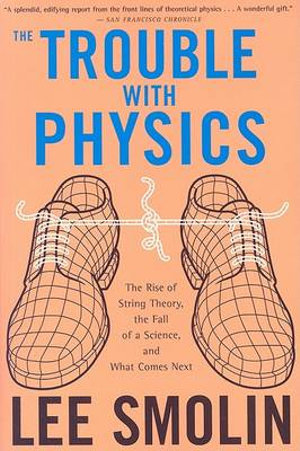 I posted about this book



 I’m very happy to have SOE receive this sort of attention, and grateful. I’ll keep you posted on whether it makes the cut!